Orofacial Myology
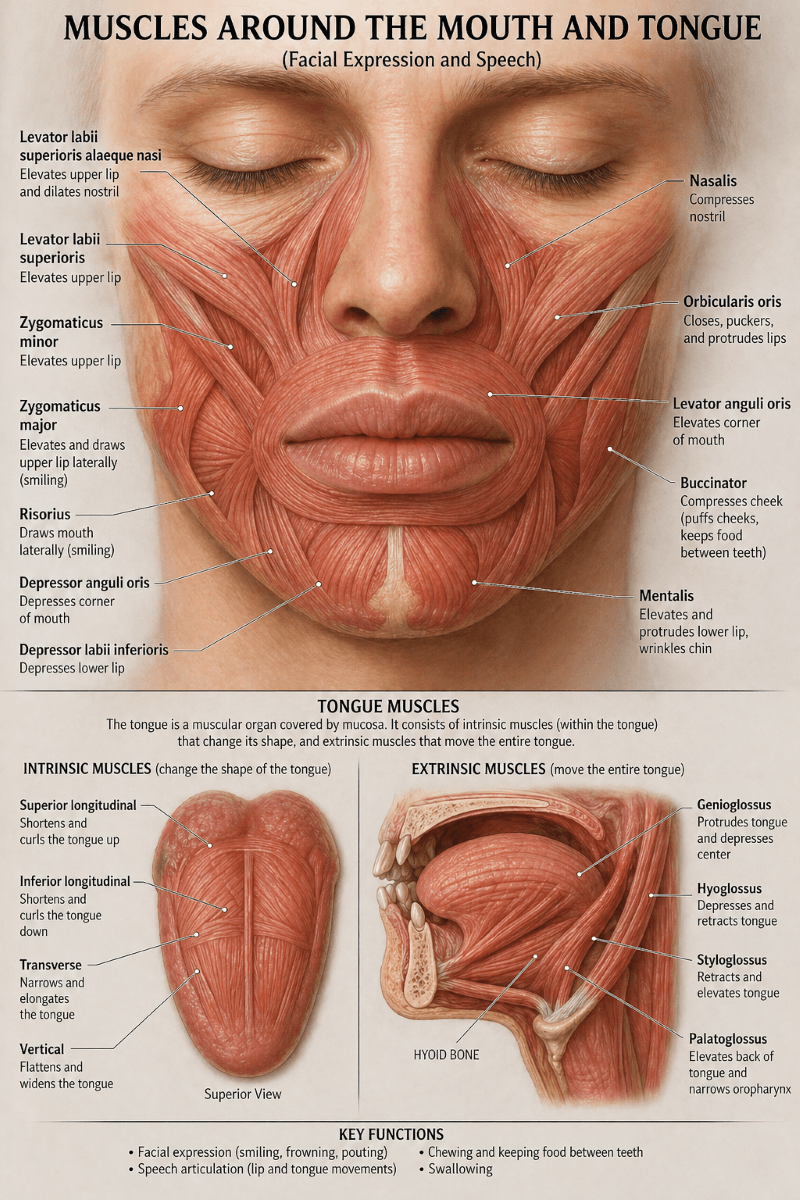
Orofacial myology looks at how the lips, tongue, jaw, and face rest and move for breathing, chewing, swallowing, and speech. Families and providers may notice open mouth rest posture, the tongue sitting against or between the teeth, or chewing that looks noisy or effortful, and wonder how these habits could affect function or dental treatment over time.
We provide orofacial myology services for children five and older, teens, and adults who are ready for structured exercises and brief home practice. Babies and younger children with similar concerns are typically seen through our feeding and swallowing services, where we use orofacial myology informed strategies in a developmentally appropriate, mealtime focused way.
Tethered Oral Tissues (Pre- and Post-Release Support)
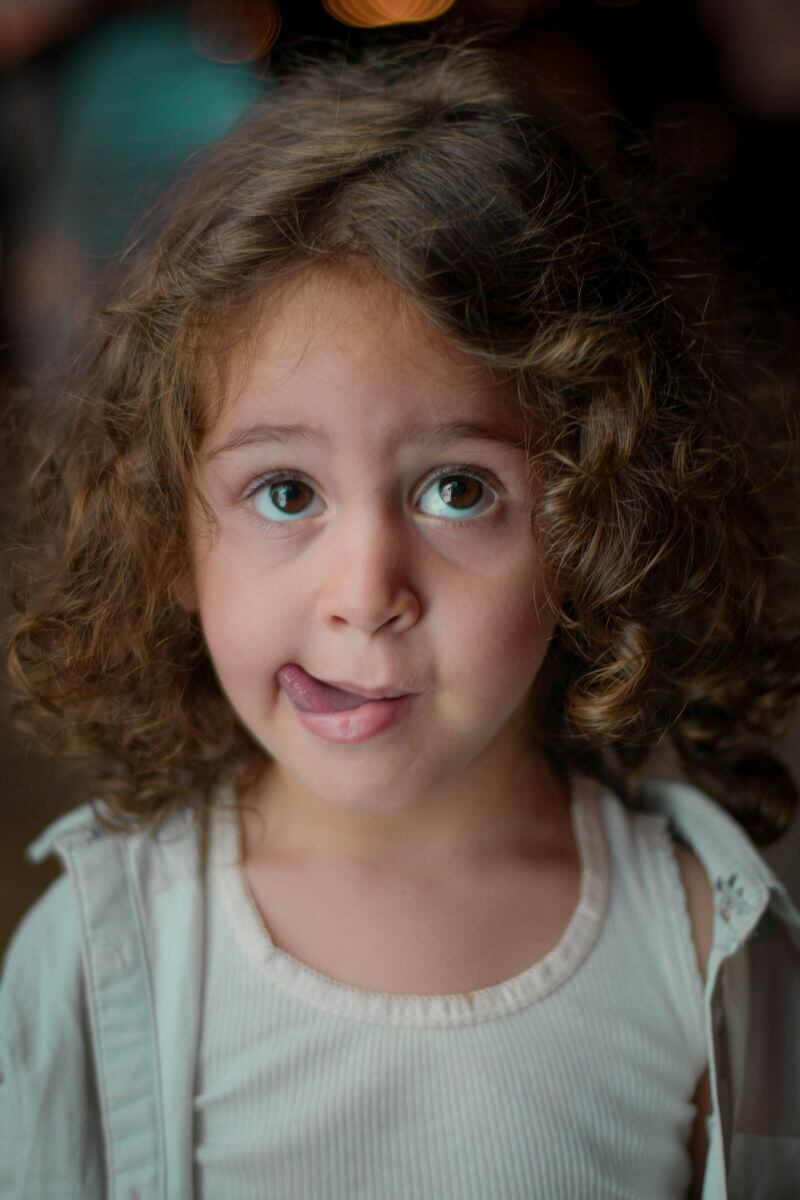
Tethered oral tissue services support children, teens, and adults whose tongue, lips, or cheeks are restricted in ways that may affect feeding, speech, oral rest posture, or overall oral function. We focus on how the mouth is working in daily life, not only on how the tissue looks.
Before any possible release, therapy may include gentle practice with tongue and lip movement and, when helpful, step by step support so the person can feel more comfortable with people being near or in their mouth for needed care. If a release is completed, we support oral function by guiding simple exercises and everyday activities that help the tongue use new movement patterns. Decisions about whether and when to perform a release are made by medical or dental providers; our role is to support oral function and awareness before and after those procedures.
Orofacial Myofunctional Services
Orofacial myology services address orofacial myofunctional disorders, which are patterns in how the tongue, lips, and jaw rest and move that are not working as well as they could for breathing, chewing, swallowing, or speech. Examples include open mouth rest posture, the tongue sitting against or between the teeth, or a swallow where the tongue pushes forward instead of staying gently on the palate. Over time, these patterns can affect how the teeth line up, how the jaw grows, and how efficiently a person eats and speaks.
We assess oral rest posture, swallowing patterns, and related habits, then create an individualized plan to build more efficient muscle patterns using step by step exercises and everyday tasks. Sometimes families come to us first with these concerns; other times, referrals come from dentists, orthodontists, ENTs, sleep providers, or other specialists. We focus on the oral habits and muscle patterns that speech language pathologists are trained to treat and routinely coordinate with medical and dental providers so that care is guided by a team.
What to expect
At the first visit, we talk about your goals and review medical and dental history, then observe how the lips, tongue, jaw, and face are working at rest and during simple tasks such as breathing, chewing, swallowing, and speech. When tethered oral tissues are part of the picture, we pay close attention to how the mouth functions in daily tasks, not only how the tissue looks.
If orofacial myology is recommended, we outline a plan that typically includes brief daily practice at home and regular follow up sessions. Exercises and activities are chosen to fit the person’s age, learning style, and capacity for practice. Because this work is usually part of a larger plan, we stay in communication with dental, medical, and other providers so there is a team working together around shared goals.