Speech and Language
At Building Blocks Therapy Services, we support communication across the lifespan for children, teens, and adults. Our therapy is strength based, neuroaffirming, and responsive to sensory, motor, and emotional needs. We focus on real-life communication that works at home, school, work, and in the community.
Speech
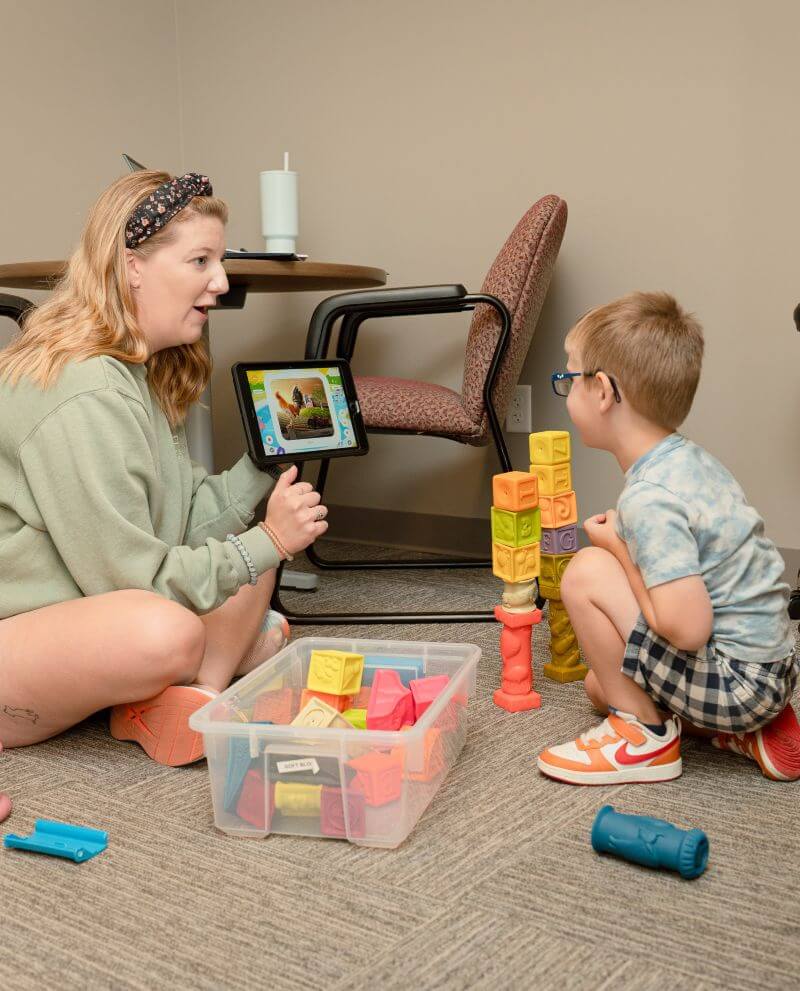
Speech therapy supports clearer, more comfortable spoken communication. We work with children, teens, and adults who have difficulty being understood, who are working on specific sounds, or who want their speech to feel more natural and efficient.
In sessions, we use meaningful words, play, and real-life tasks rather than drills alone. Our goal is to help speech feel more automatic and less effortful while honoring each person’s natural voice and communication style.
Language
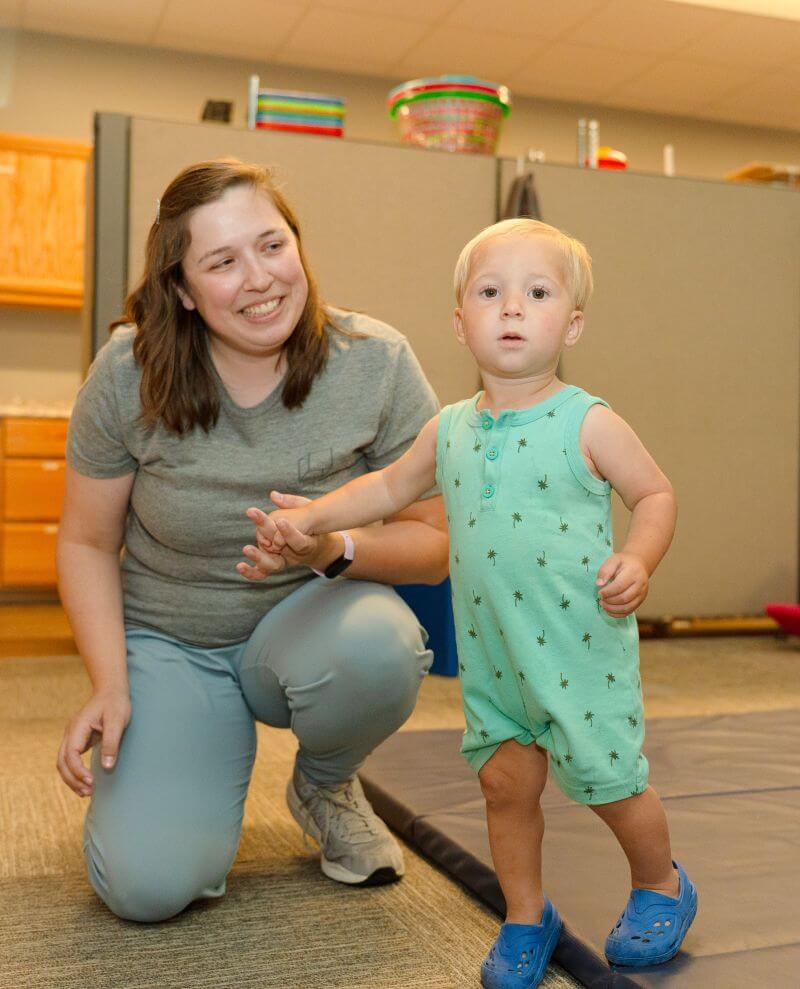
Language therapy supports how a person understands and expresses ideas at every stage of communication. It can help if your child is not talking yet, just starting to use sounds, gestures, or first words, or has many words but struggles to share needs, answer questions, or put thoughts into sentences. It also supports older children, teens, and adults who have difficulty following directions, building vocabulary, organizing ideas, or telling and understanding stories. We work with people of all ages who want communication to feel easier and more effective in daily life.
Sessions are tailored to each person’s strengths, interests, and daily routines. We weave language practice into play and real-life activities that feel purposeful and engaging, with a focus on communication that carries over to home, school, work, and the community.
Social Communication
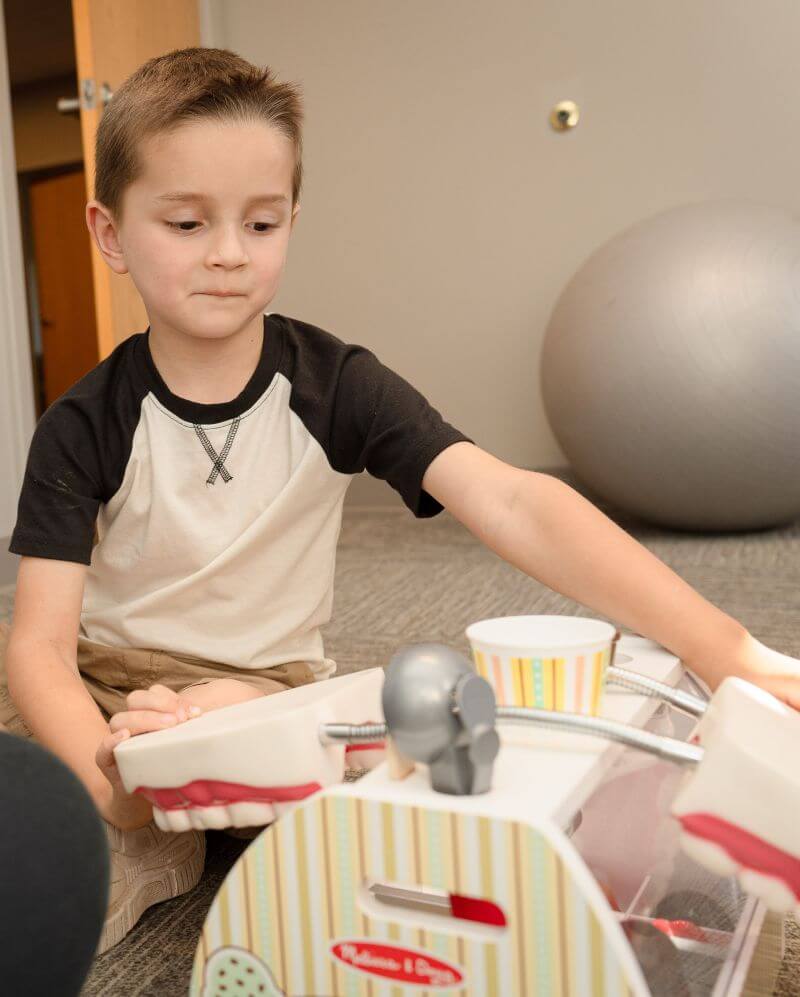
Social communication therapy focuses on connection rather than correction. We support children, teens, and adults who want help sharing ideas, reading situations, understanding social expectations, or navigating friendships and group settings.
Therapy may include exploring and practicing words or phrases that may be helpful in common situations, supporting self-advocacy, and looking at how communication demands and past experiences influence social interaction and participation. When helpful, we collaborate with families and other professionals to support each person in building authentic relationships in ways that feel safe, comfortable, and aligned with who they are.
AAC
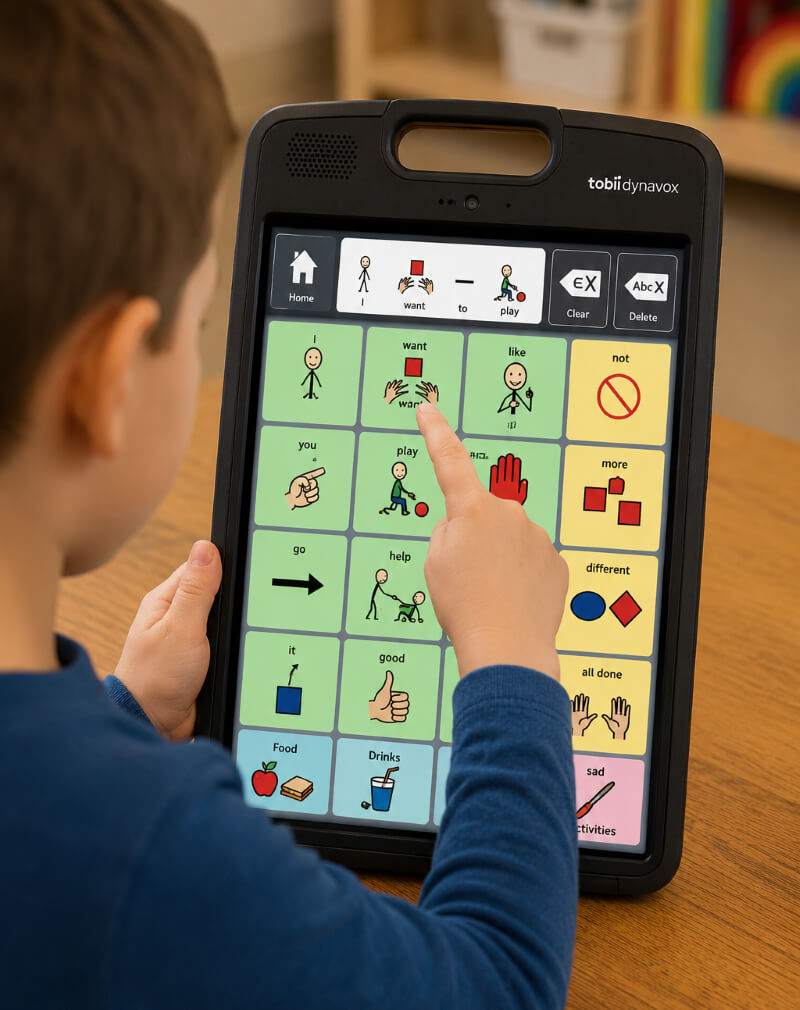
AAC services support people who use or are exploring communication tools such as pictures, communication books, or speech-generating devices. Some clients use AAC as their primary communication method, while others use it alongside spoken words.
We partner with clients and families to choose, personalize, and grow with AAC systems over time. Sessions often include modeling language on the device, coaching communication partners, and integrating AAC into daily routines so communication feels more efficient, respected, and truly usable in real life.
Fluency
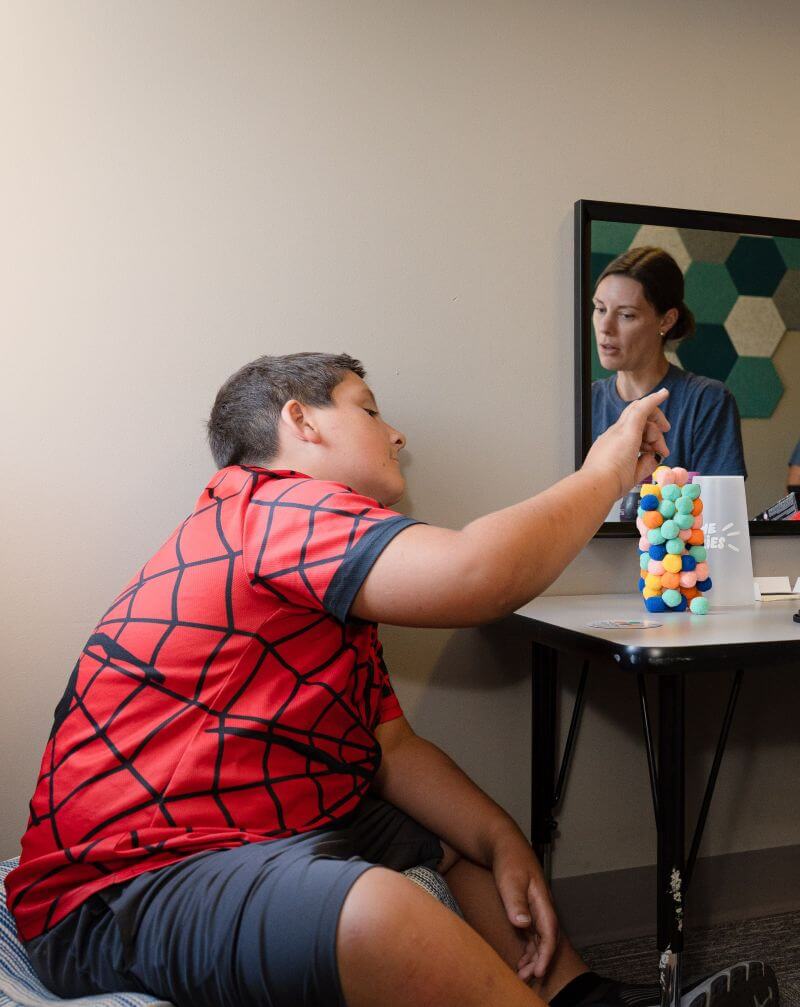
Fluency therapy supports people who repeat sounds, stretch words, or feel stuck when they speak, including individuals who stutter. Our focus is not on “fixing” a way of talking, but on reducing struggle, pressure, and shame around communication.
We work together to build comfort, confidence, and flexible strategies for speaking in different situations. Therapy might include education about stuttering, advocacy skills, communication tools, and support for creating environments that are more patient, respectful, and accepting of diverse ways of speaking.
What to expect
Speech therapy supports clearer, more comfortable spoken communication. We work with children, teens, and adults who have difficulty being understood, who are working on specific sounds, or who want their speech to feel more natural and efficient.
In sessions, we use meaningful words, play, and real-life tasks rather than drills alone. Our goal is to help speech feel more automatic and less effortful while honoring each person’s natural voice and communication style.